
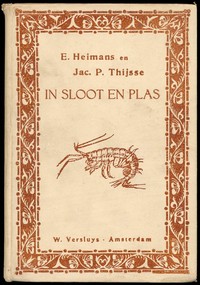
In sloot en plas by Eli Heimans and Jac. P. Thijsse
Published in 1901, In sloot en plas is a foundational work of Dutch nature writing. It was born from the simple, powerful idea that nature education should begin at home. Authors Heimans and Thijsse, both schoolteachers, were frustrated that people knew more about African lions than the creatures in their local waterways. This book was their answer—a friendly, detailed guide to the aquatic life of the Netherlands.
The Story
There's no traditional narrative with characters and a plot. Instead, the 'story' is the journey of discovery the authors take you on. They start by convincing you that any patch of water—a ditch, a pond, a slow-moving stream—is worth your attention. Then, chapter by chapter, they introduce you to its residents. You'll meet the fierce water beetle, the patient caddisfly larva in its little house of sticks, and the elegant whirligig beetle skating on the surface. They explain how these animals breathe, eat, and survive through the seasons, all in clear, direct language. The book is packed with practical advice on how to observe them, even suggesting how to build a simple aquarium to watch this hidden world up close.
Why You Should Read It
Reading this book feels like having two incredibly knowledgeable and kind friends point things out to you. Their passion is contagious. They aren't just listing facts; they're telling you the secrets of a neighborhood you never knew you lived in. What struck me most was their sense of wonder, which hasn't faded a bit in 120 years. When they describe the transformation of a dragonfly nymph into a flying adult, you can feel their awe. It reminds you that science and poetry aren't opposites. This book laid the groundwork for the entire Dutch nature conservation movement, not with angry lectures, but by first teaching people to love what was already there.
Final Verdict
This is a perfect read for anyone who feels a tug of curiosity when they pass a pond, for gardeners, for parents looking to share simple wonders with kids, or for fans of natural history like Gerald Durrell or Robert Macfarlane. It's for people who believe adventure doesn't require a passport. While some scientific names are outdated, the core experience—the joy of close, patient looking—is timeless. Keep in mind it's a product of its time (collecting specimens was standard practice then), but the heart of the book, its call to connect with your immediate environment, is more relevant now than ever. A gentle, profound classic.
This publication is available for unrestricted use. You can copy, modify, and distribute it freely.
Nancy Lopez
6 months agoThis work demonstrates a clear mastery of contemporary theories.
Noah Sanchez
1 year agoFinally a version with clear text and no errors.



Susan Taylor
3 months agoI've been looking for a reliable source on this topic, and the attention to detail regarding the core terminology is flawless. This is a solid reference for both beginners and experts.